Boom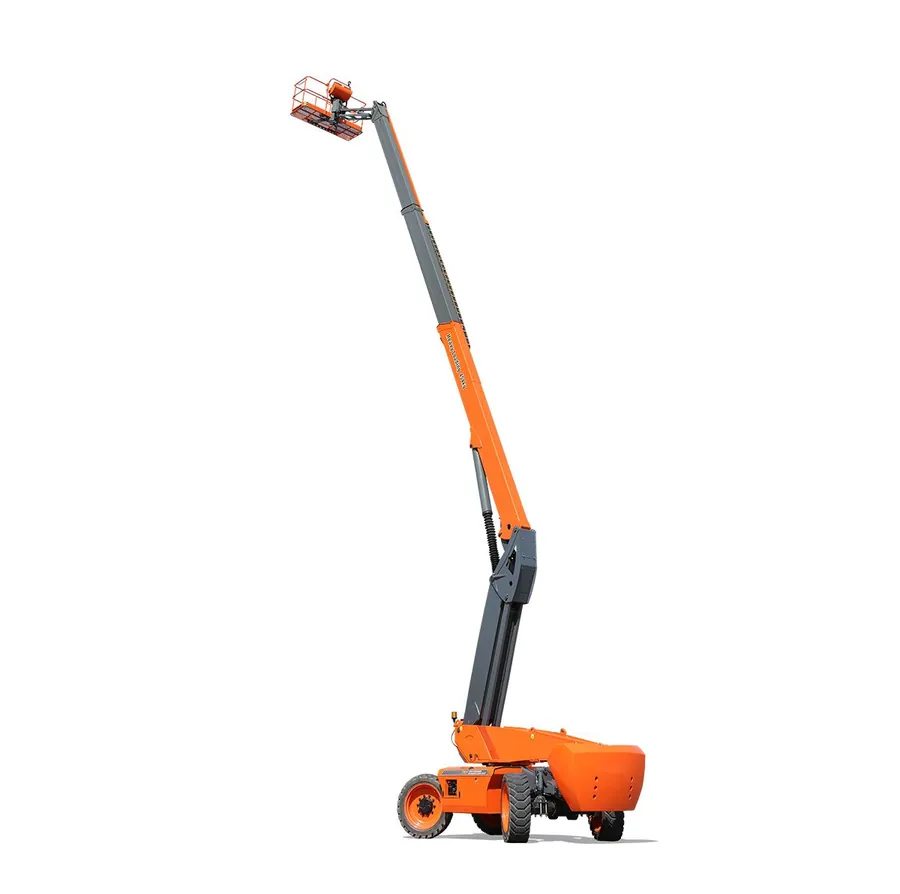
Telescopic Boom Lift
Straight-boom platforms delivering maximum horizontal outreach for façade, structural steel and tank work.
Forty-five product families across eight categories — manufactured, imported and maintained by Mtandt. Every item on this page is available to buy outright or take on rent, with training and service attached.
Filter by family, or tell us the working height, ground condition and duration and we will shortlist for you.
Straight-boom platforms delivering maximum horizontal outreach for façade, structural steel and tank work.
Zero-emission articulating booms for indoor plants, warehouses and noise-restricted urban sites.
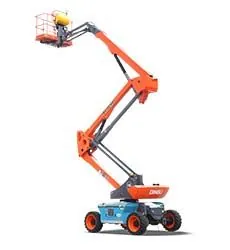
Runs silent and clean indoors, switches to diesel for rough ground outside. One machine, both environments.
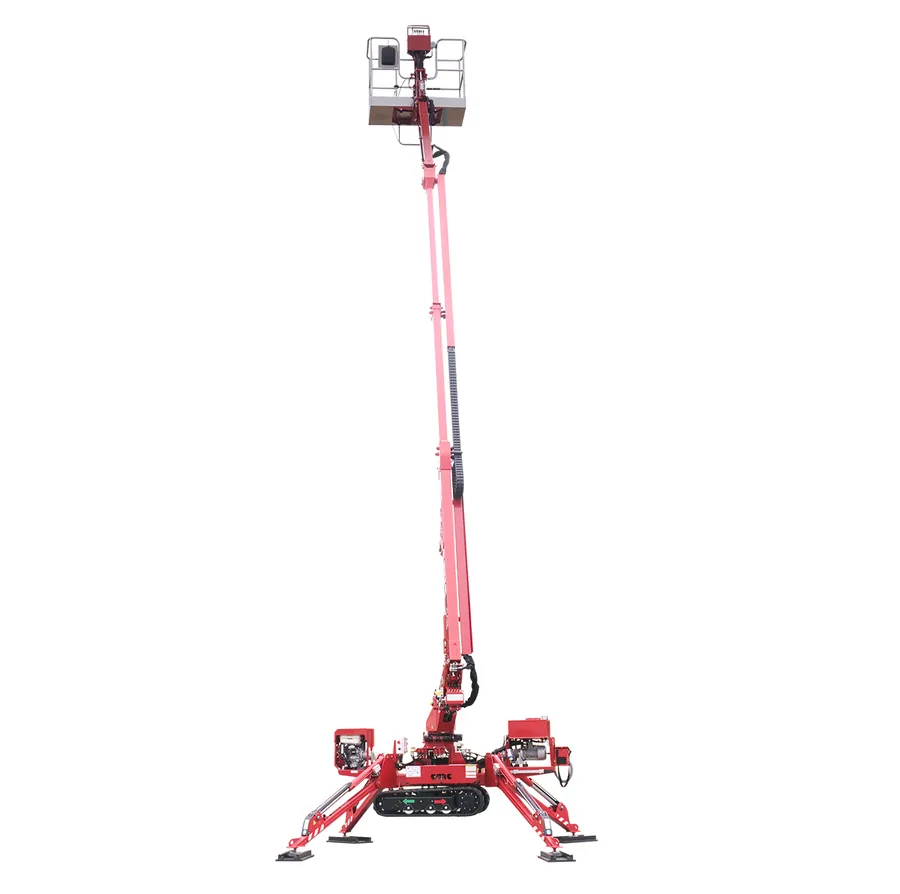
Tracked crawler platforms narrow enough for a doorway and light enough for a finished floor or a lawn.
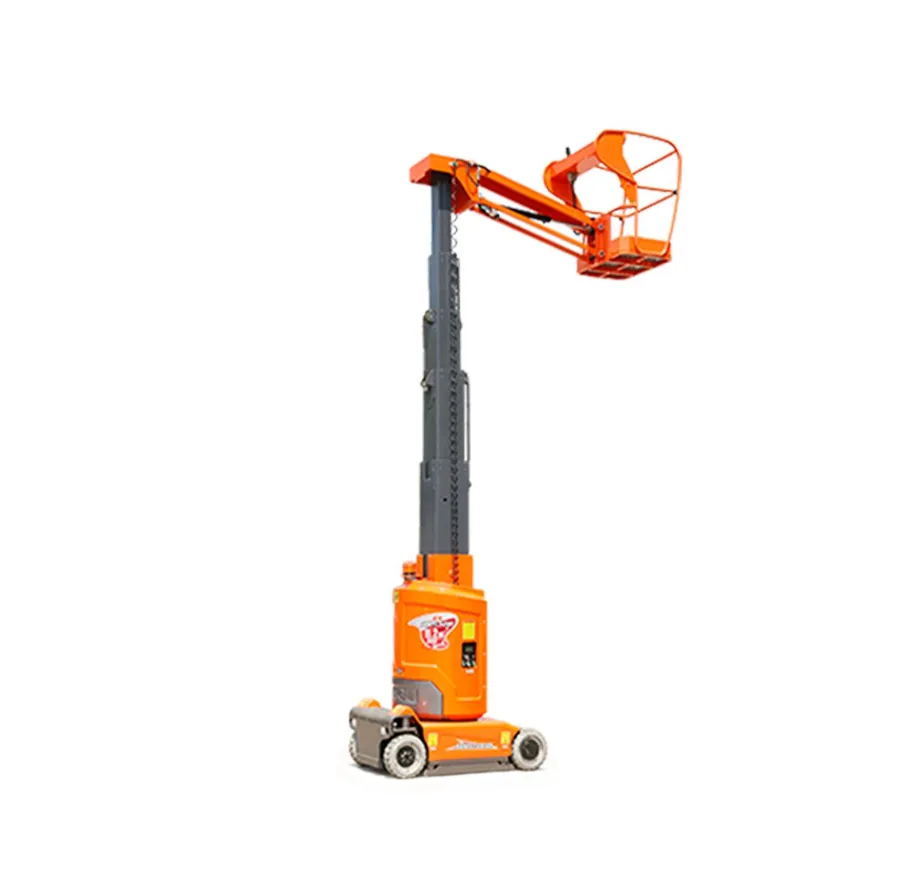
Compact electric mast booms combining vertical rise with a jib — ideal for congested plant aisles.
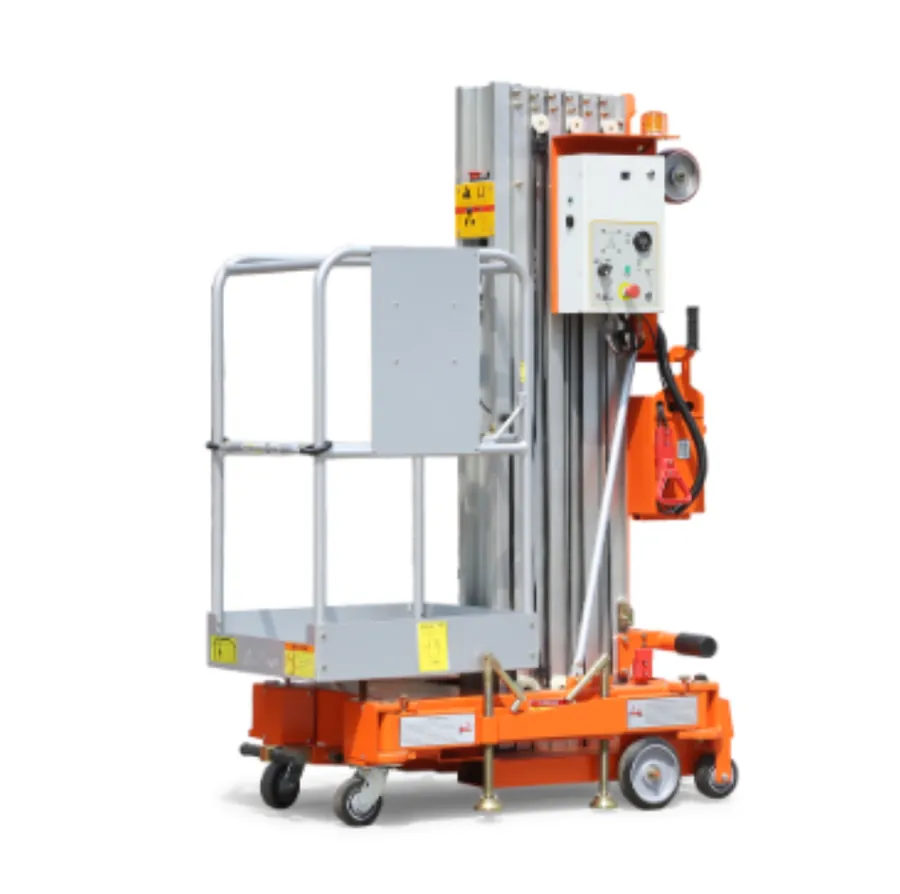
Single-operator vertical lift that one person can position by hand — retail, MEP and facility maintenance.
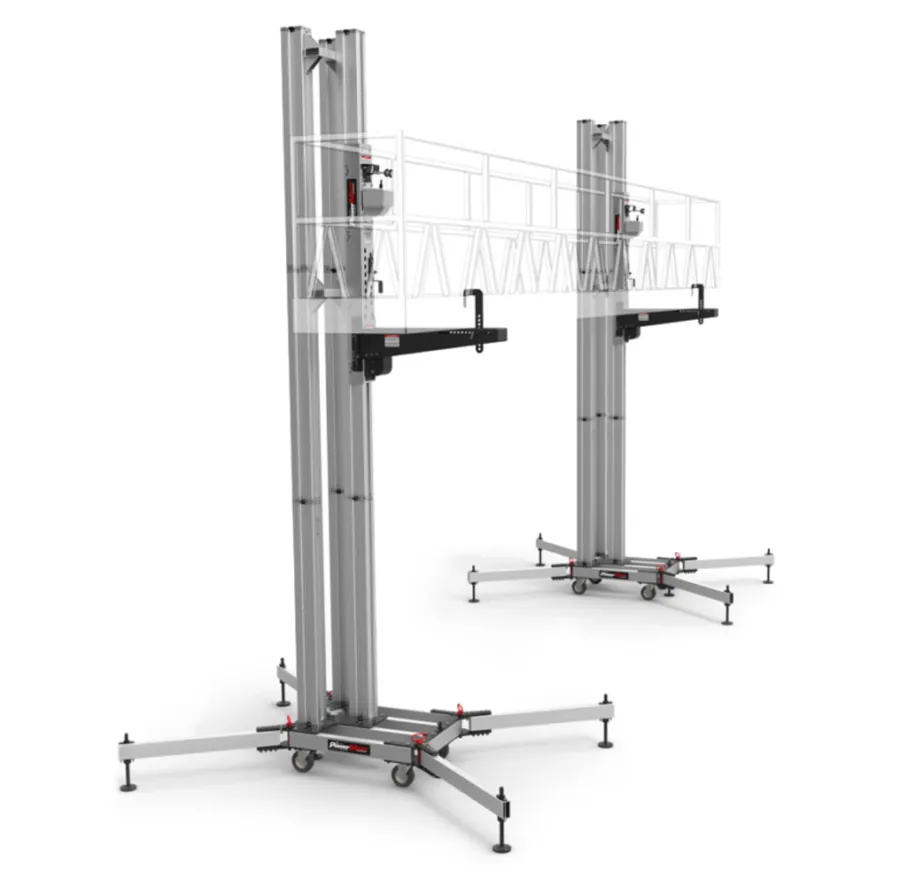
Battery-driven mast lift built for continuous indoor duty cycles with a small footprint and tight turning circle.
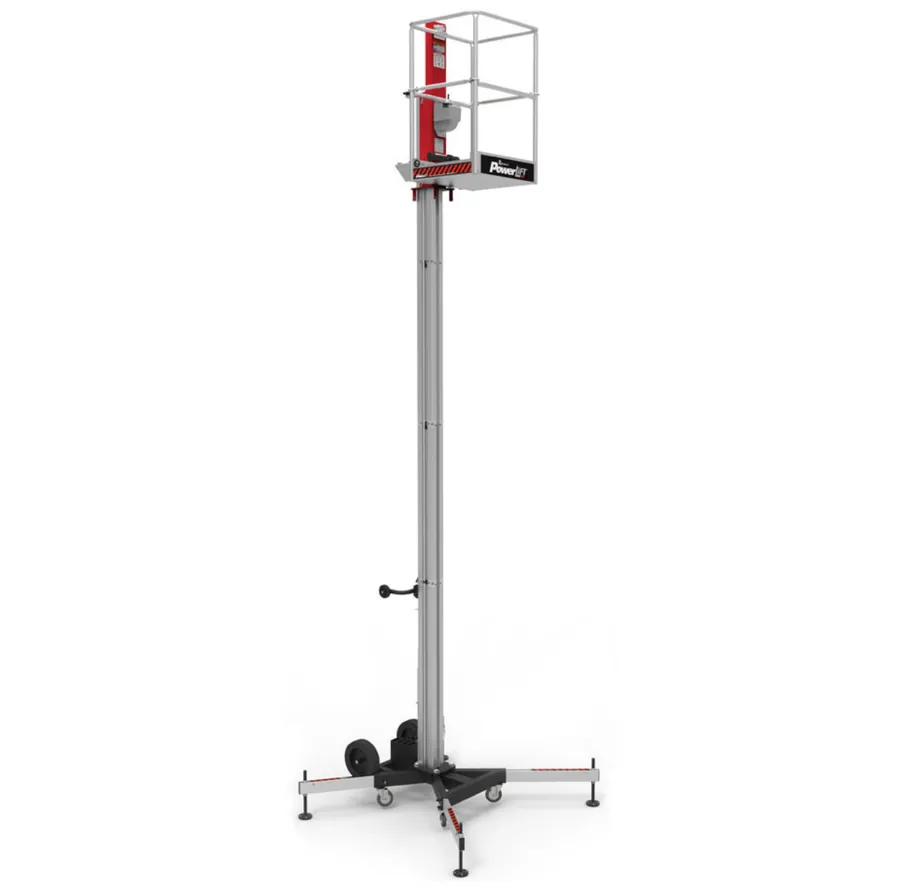
Purpose-built vertical platform for lighting, HVAC and ceiling services in occupied buildings.
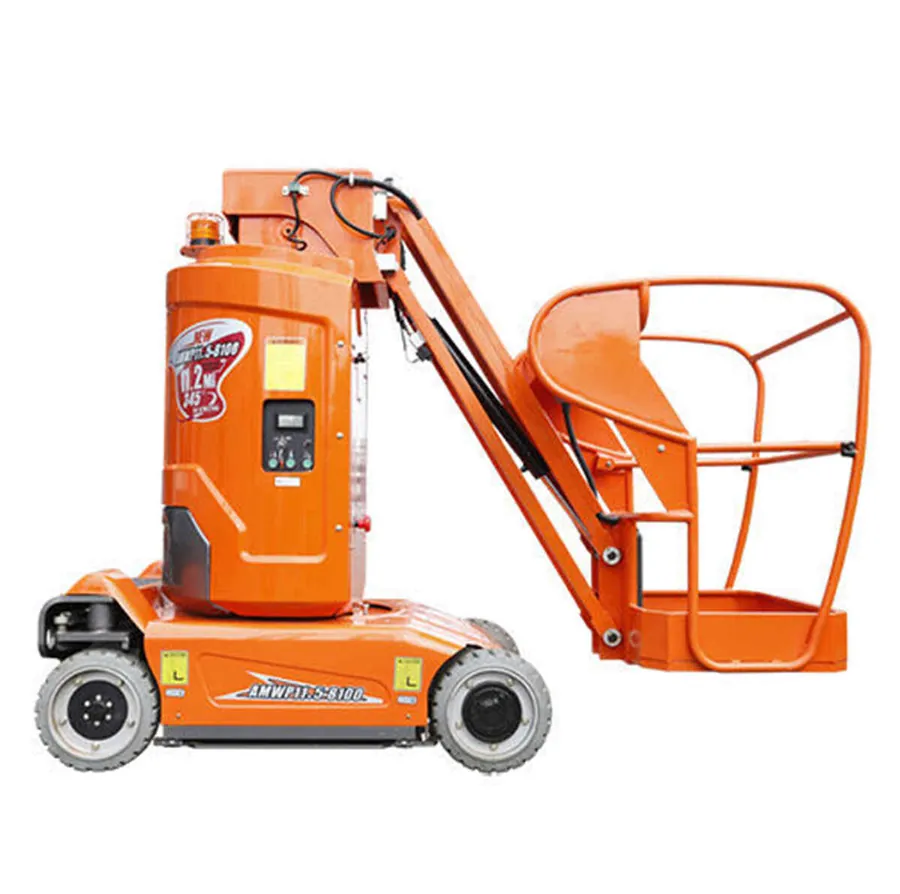
Straight-rise personnel lift for inspection, stocktaking and light maintenance in narrow aisles.
The workhorse of indoor access — large platform area, generous capacity, non-marking tyres.
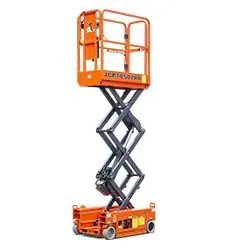
Fully electric actuation with no hydraulic circuit — no leaks, no contamination risk over clean processes.
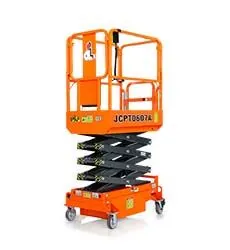
Lightweight manually positioned scissor for facility teams working across a large floorplate.
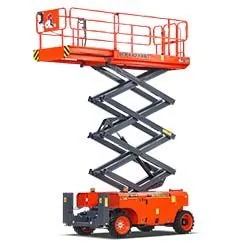
4×4 diesel scissors with extending decks and levelling outriggers for open construction ground.
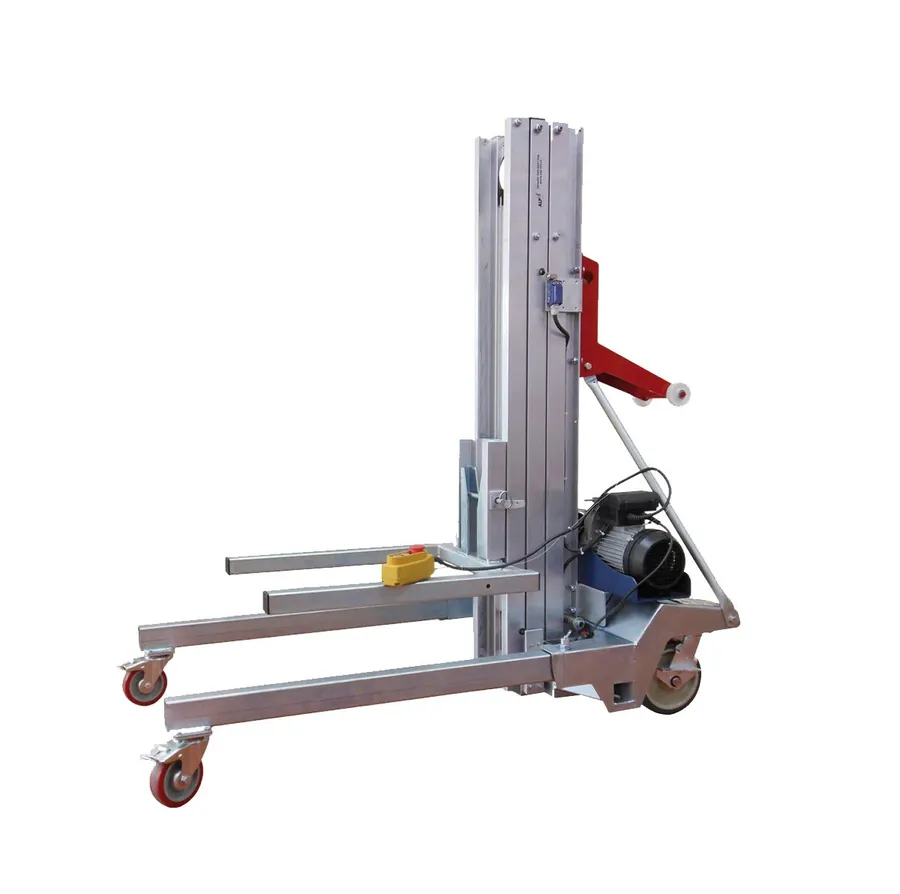
Manual winch lifter that raises ductwork, trays and panels to ceiling level without a crew of four.
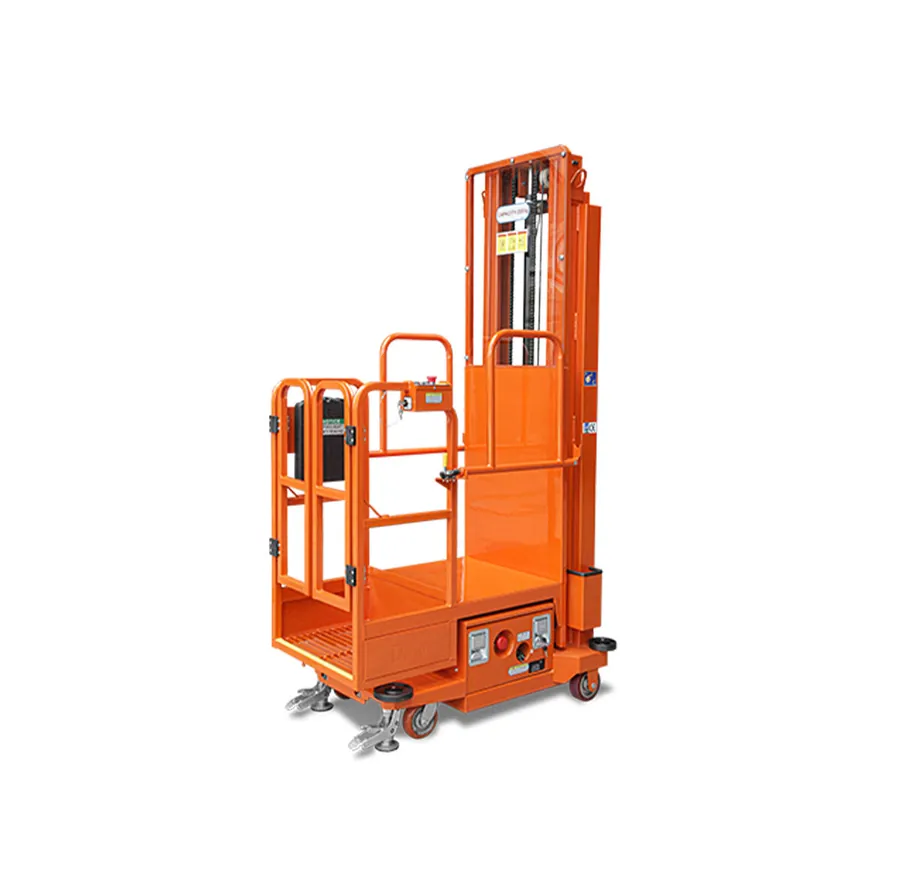
Combined operator platform and load deck for high-bay picking, stocktaking and rack maintenance.
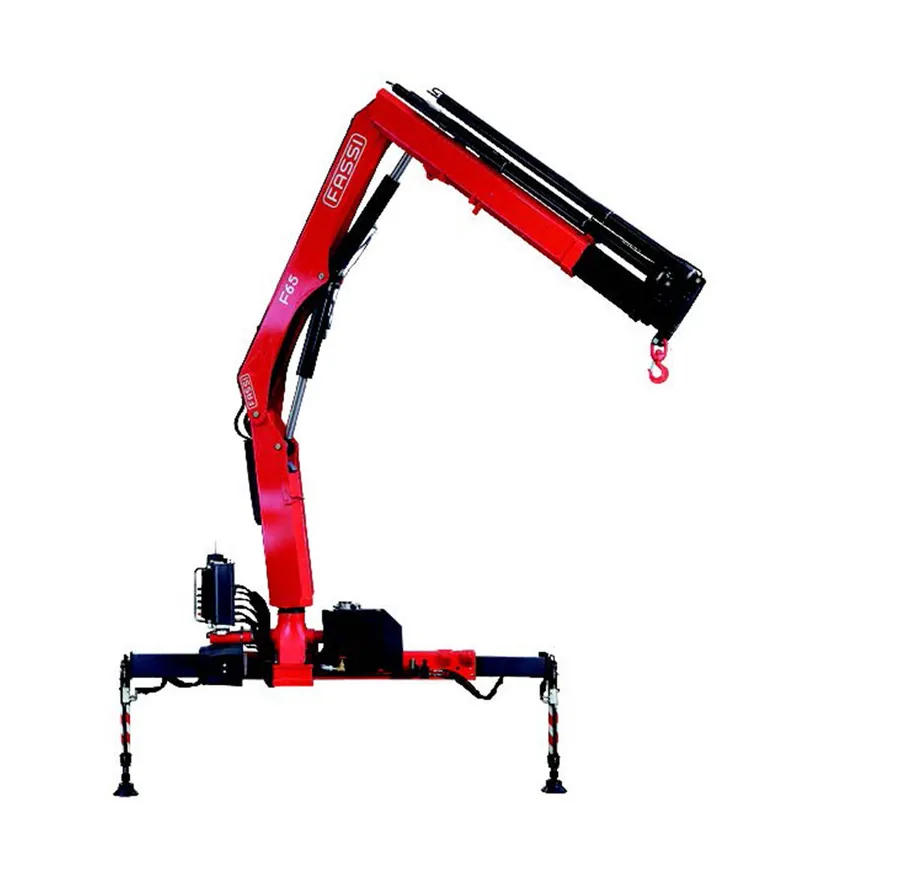
Articulated folding cranes for precise placement in confined yards, rooftops and plant interiors.
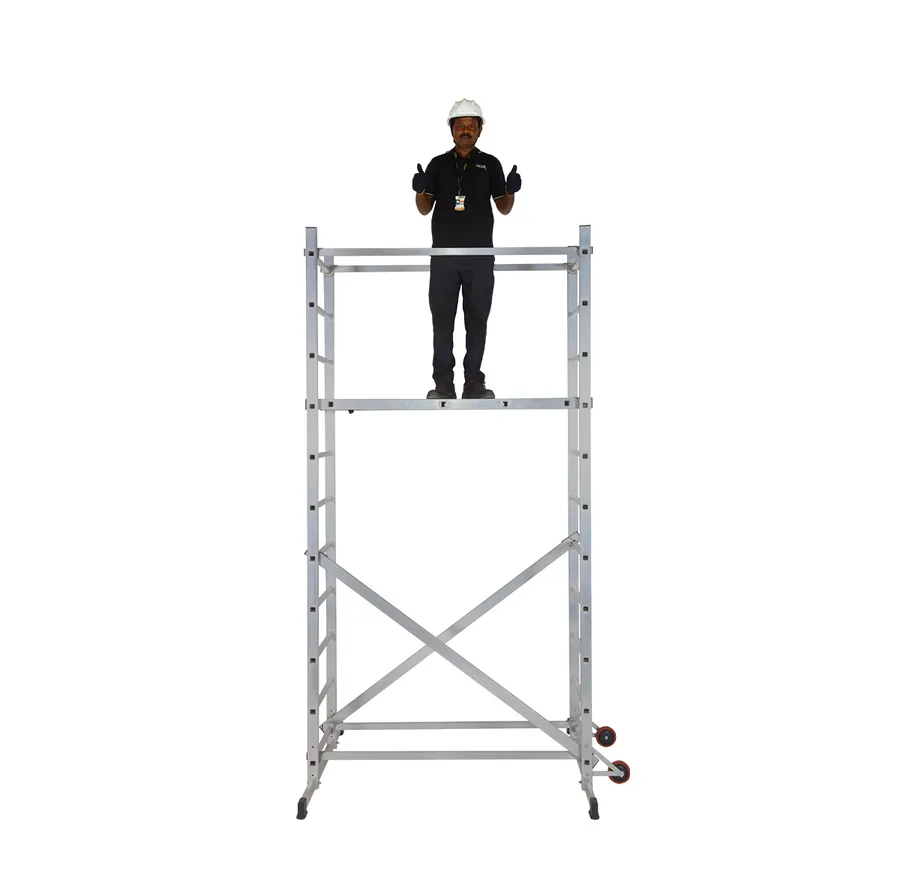
Configurable mobile work platform built around your task — the answer when nothing off-the-shelf fits.
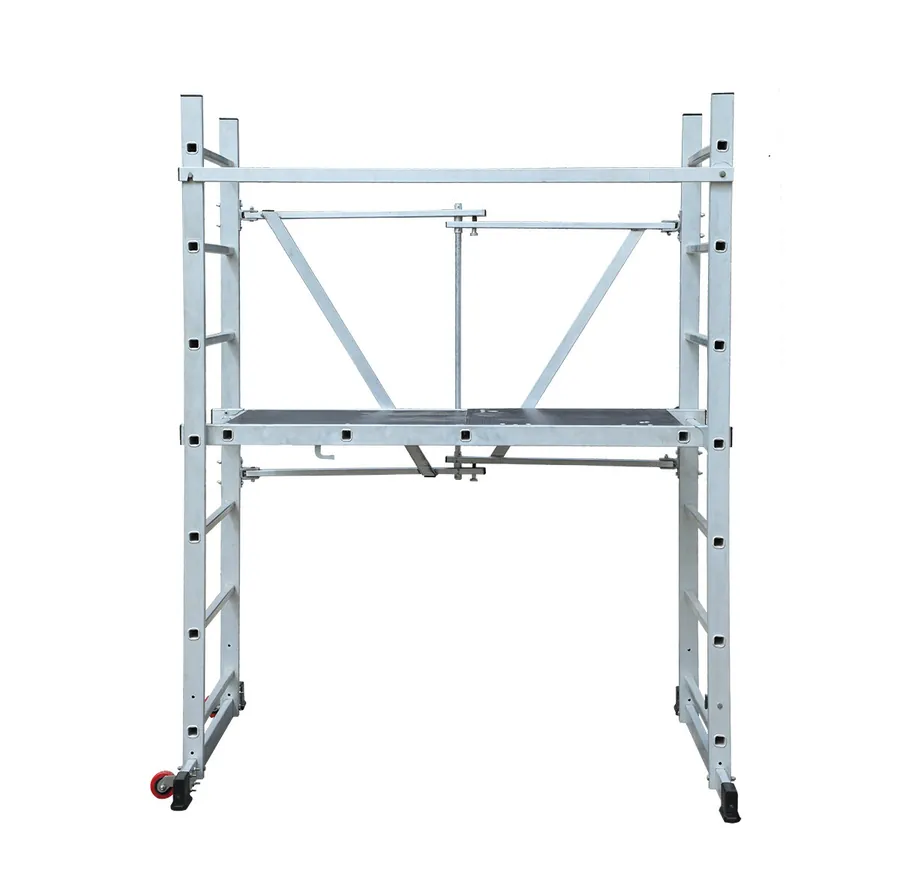
Heavier-duty variant with extended deck, higher capacity and integrated edge protection.
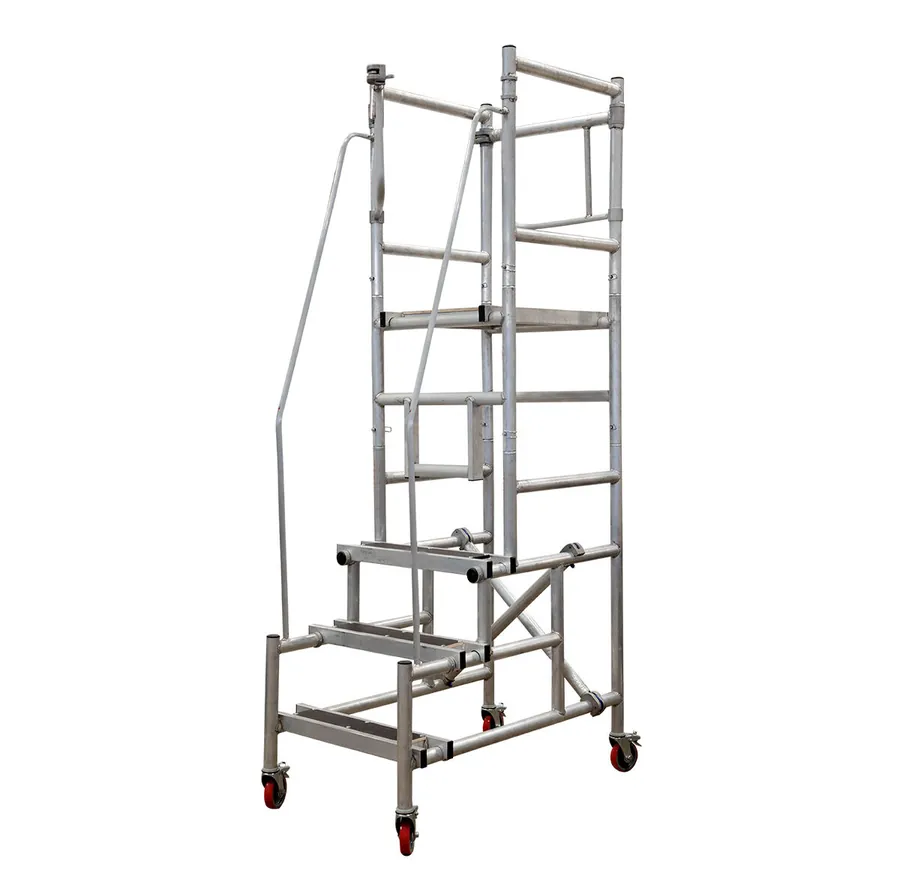
Fully guarded low-level platform that replaces the step ladder for repetitive work under three metres.
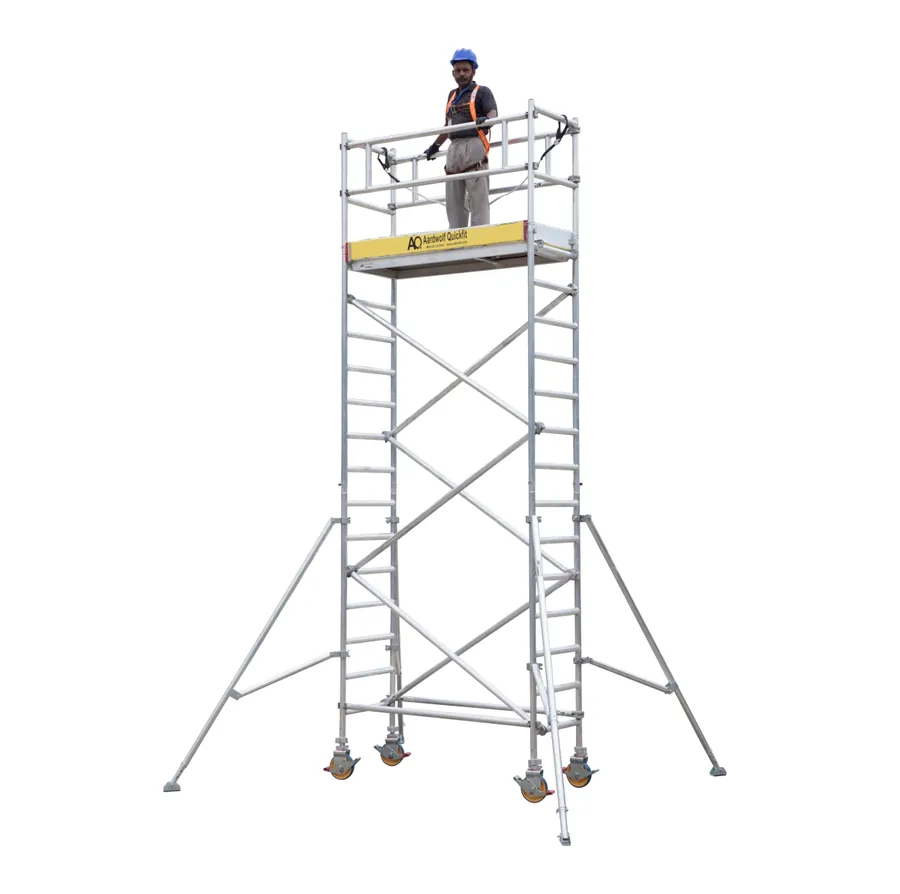
Classic mobile aluminium tower with integral ladder frames — fast to erect, tool-free, fully certified.
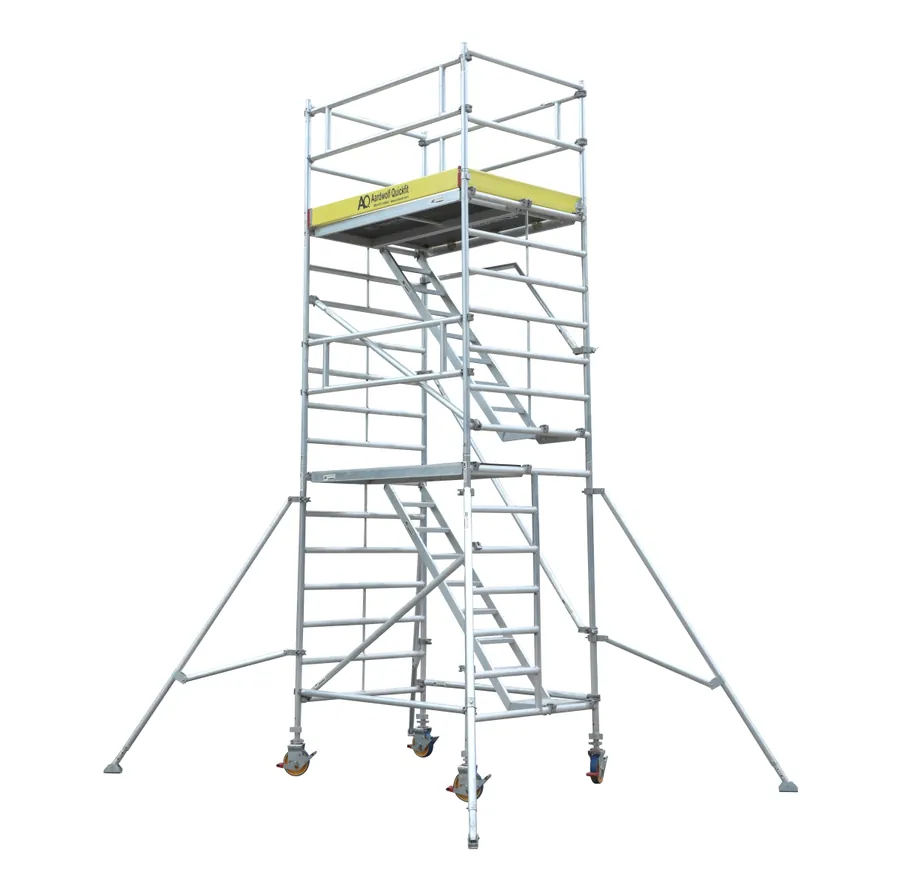
Internal staircase access for long-duration work, tool carrying and crews that go up and down all day.
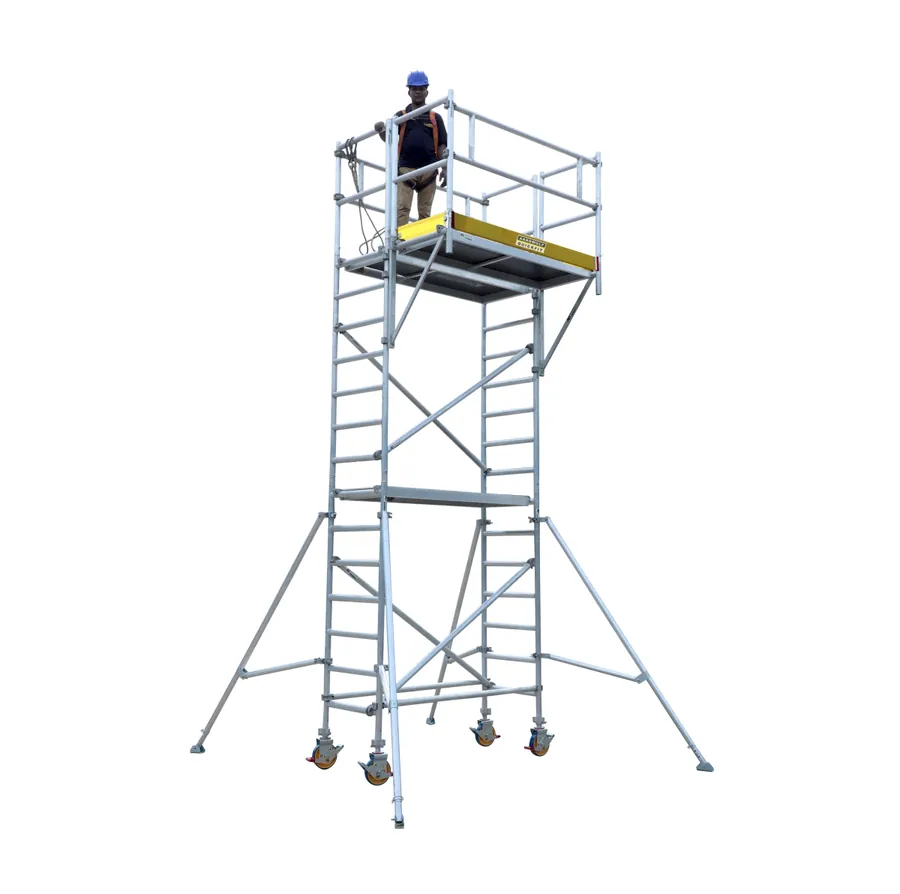
Bespoke aluminium structures for stairwells, curved façades, plant rooms and awkward geometry.
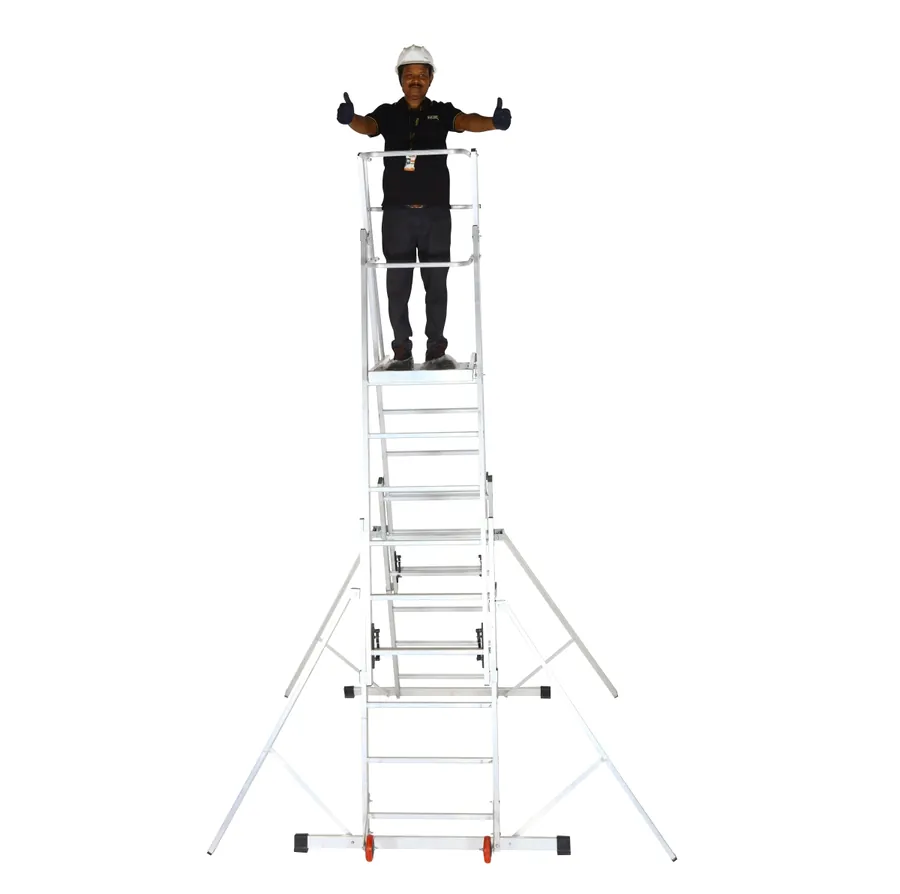
Permanent fixed access with back-guard cages for tanks, silos, roofs and machinery platforms.
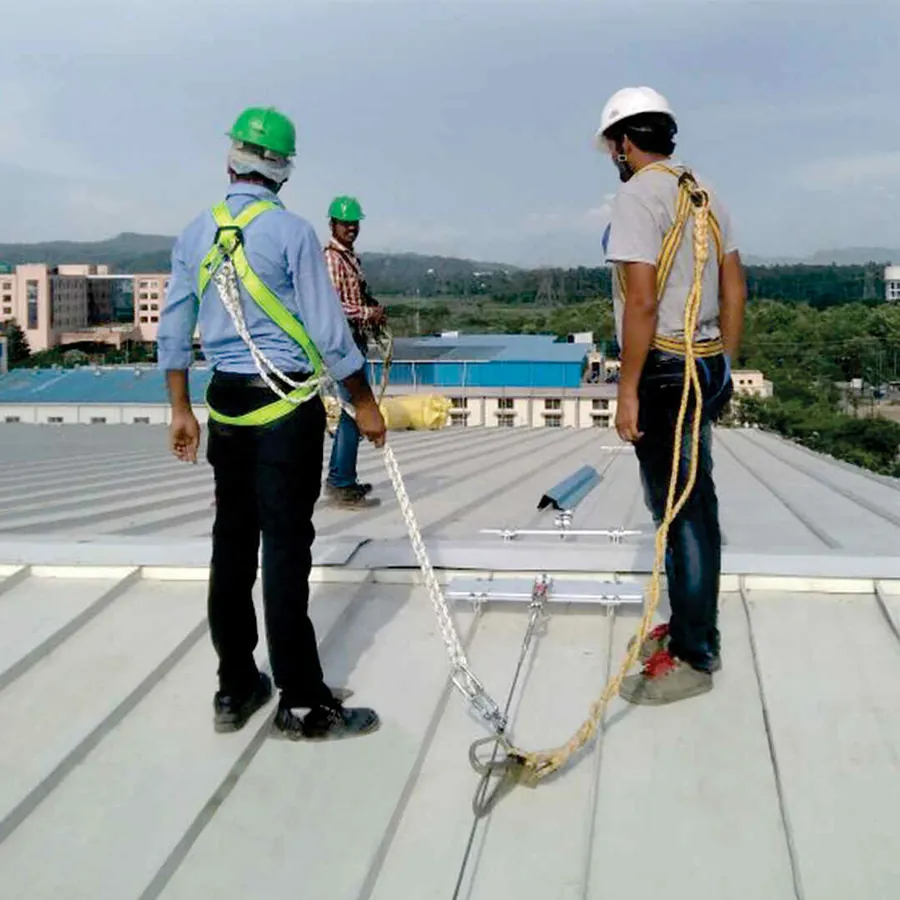
Engineered cable or rail runs that let workers move continuously along a roof, gantry or vessel while tied off.
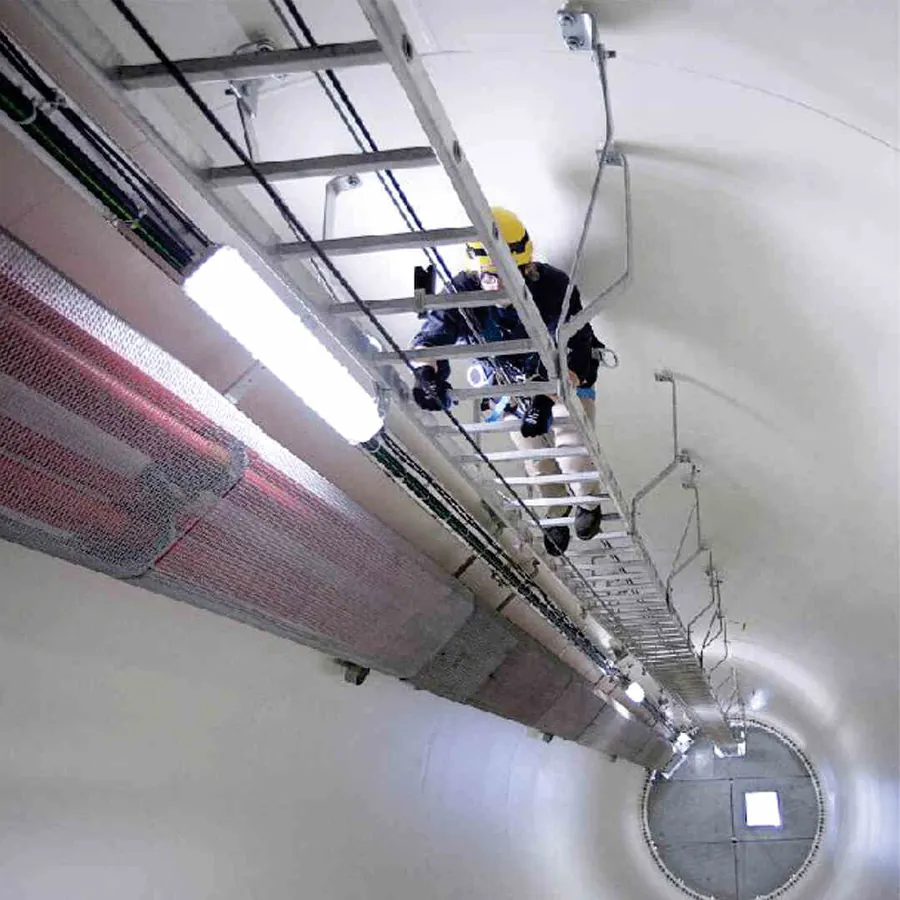
Fall-arrest running along fixed ladders and towers so the climb is protected from the first rung.
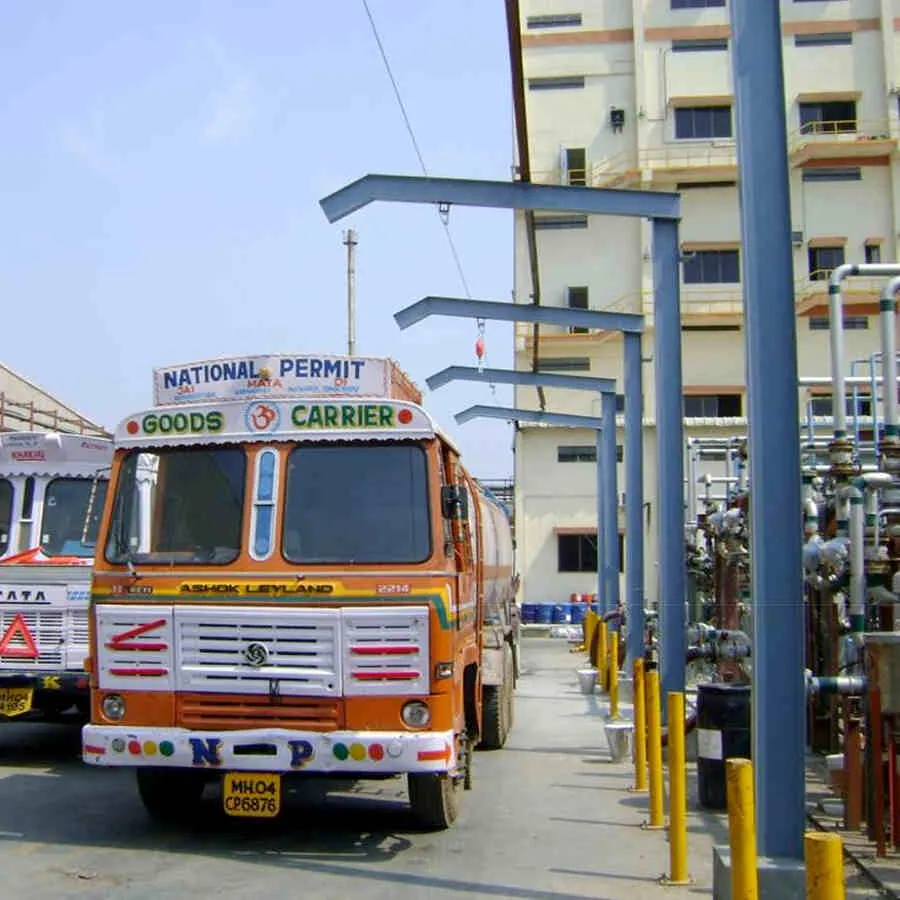
Ceiling-mounted rigid rail and cable systems for tanker top loading, aircraft and rolling-stock maintenance.
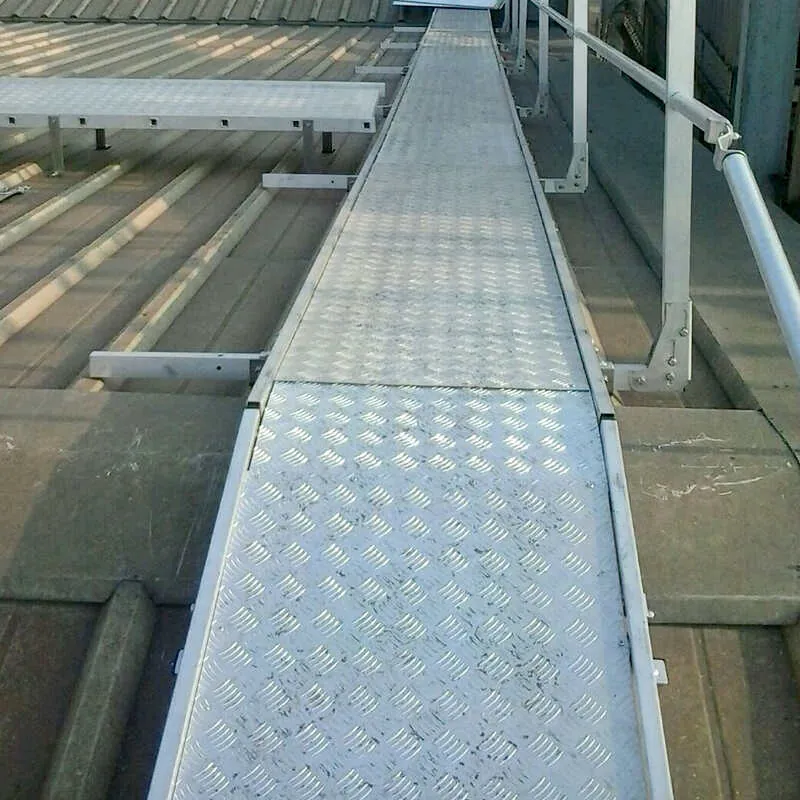
Non-slip elevated walkways that create a defined safe route across fragile or sloped roofs.
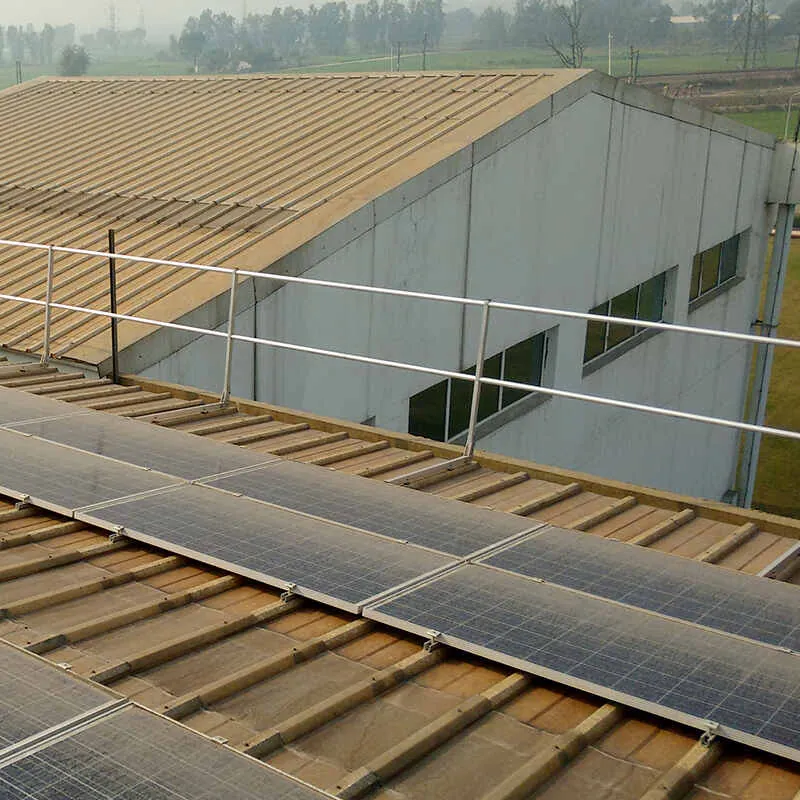
Free-standing counterweighted guardrail that protects a roof edge without penetrating the membrane.
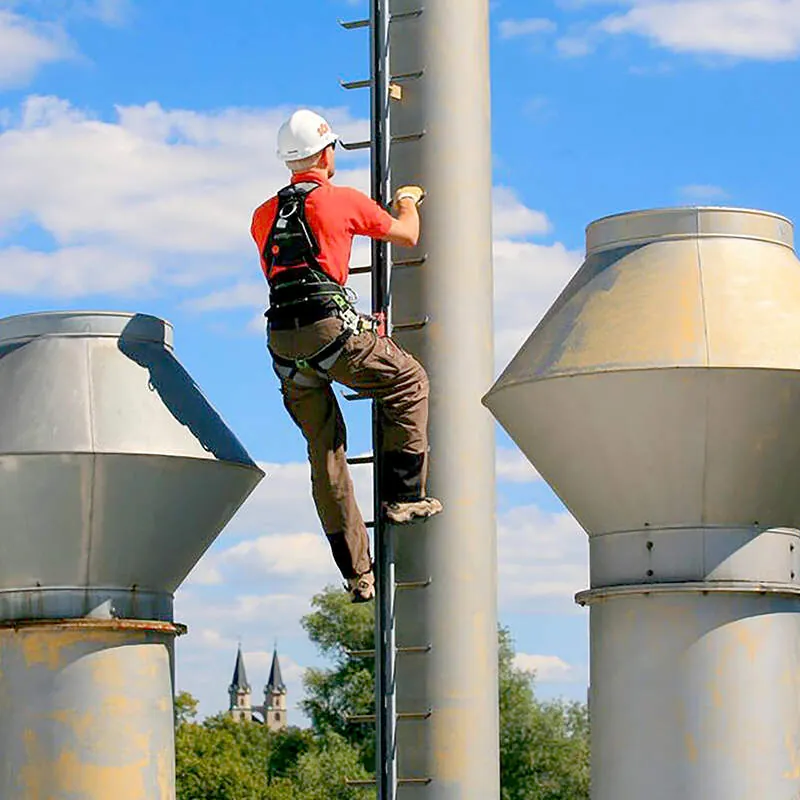
Modular fixed ladder with integrated fall-arrest, configurable to almost any climb height on site.
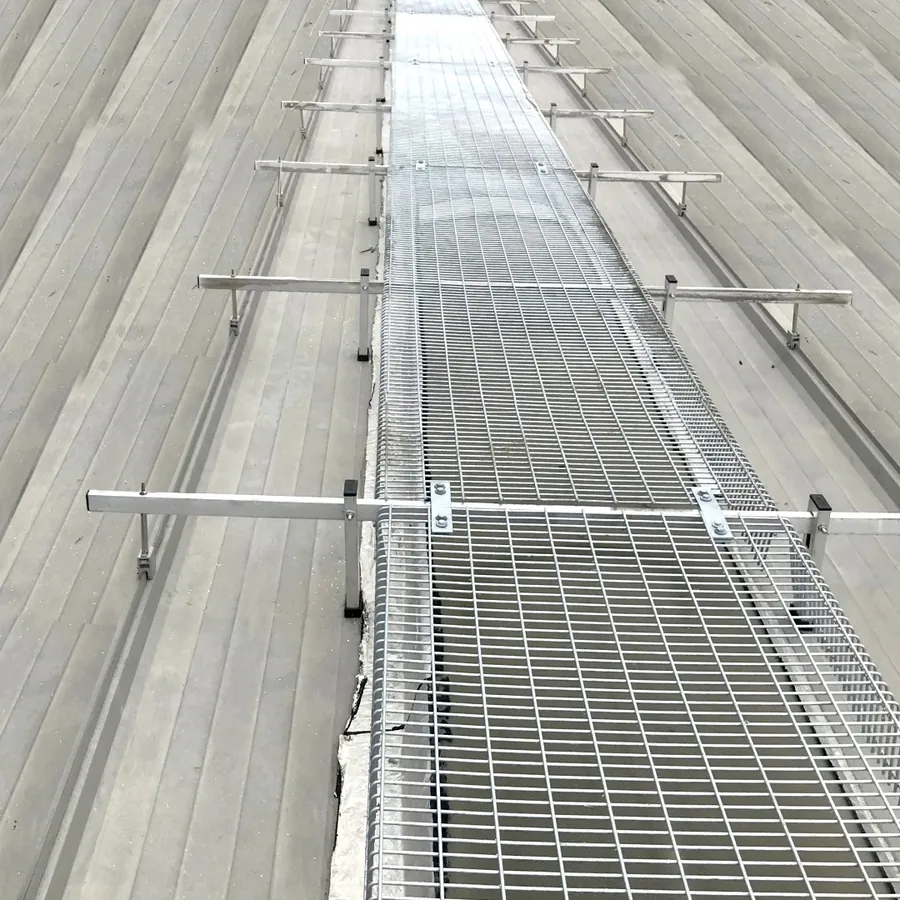
Screens over rooflights and fragile panels — the cheapest fix for one of the most common fatal roof hazards.
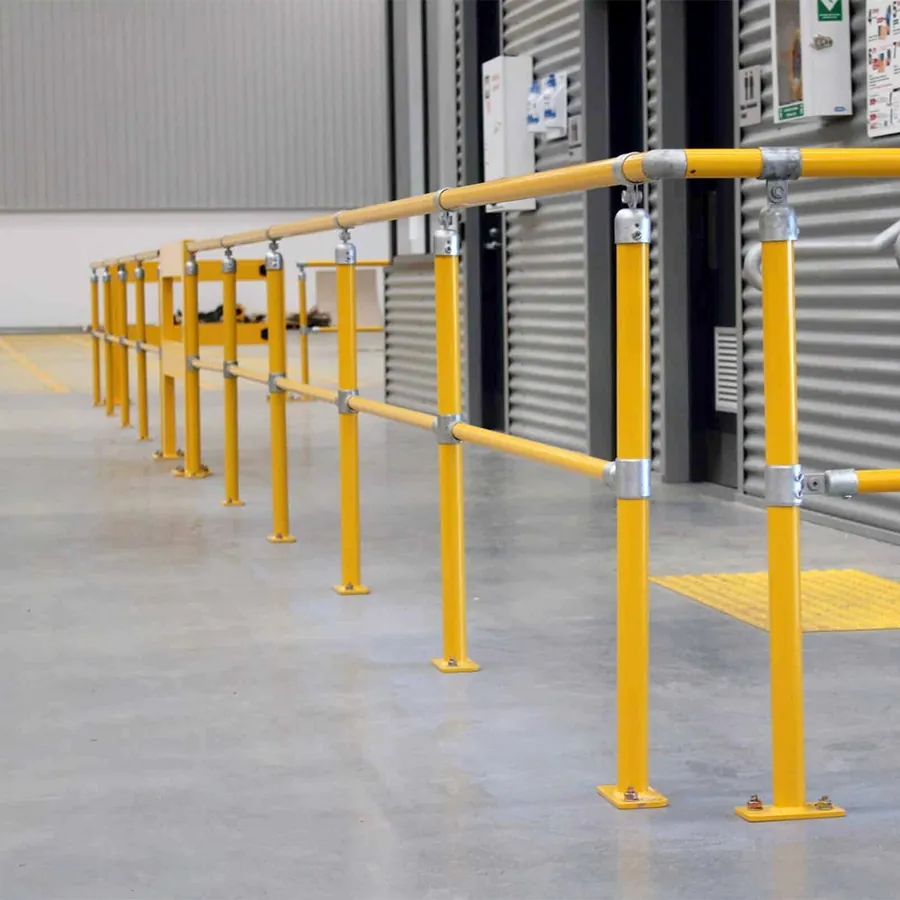
Impact-rated barriers separating pedestrians, plant and traffic in warehouses, yards and factory floors.
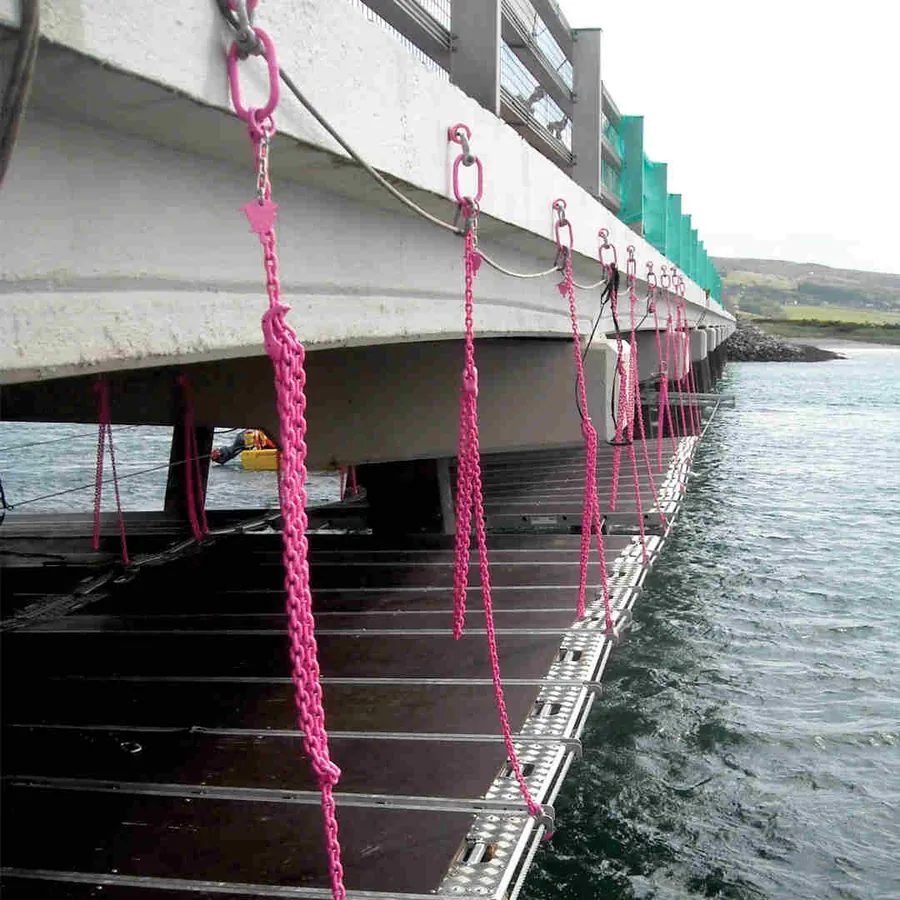
Suspended working deck that turns the underside of a bridge or soffit into a full, guarded work platform.
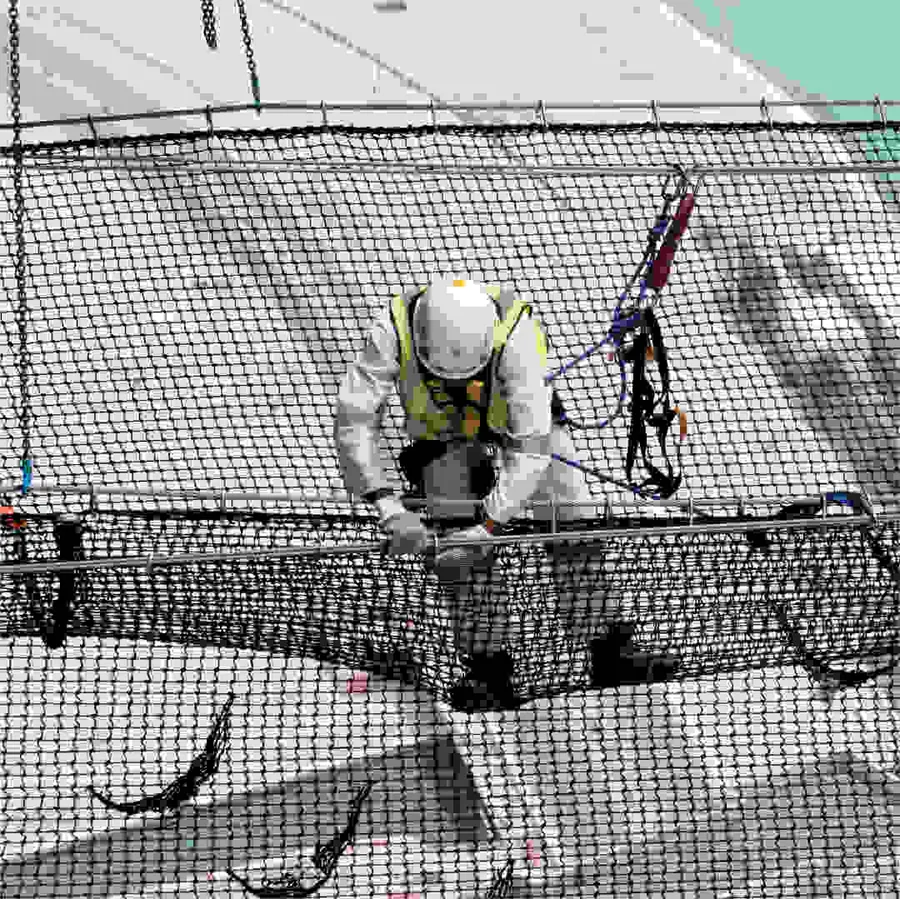
Suspended safety netting under structures, containing both people and dropped objects across a wide span.
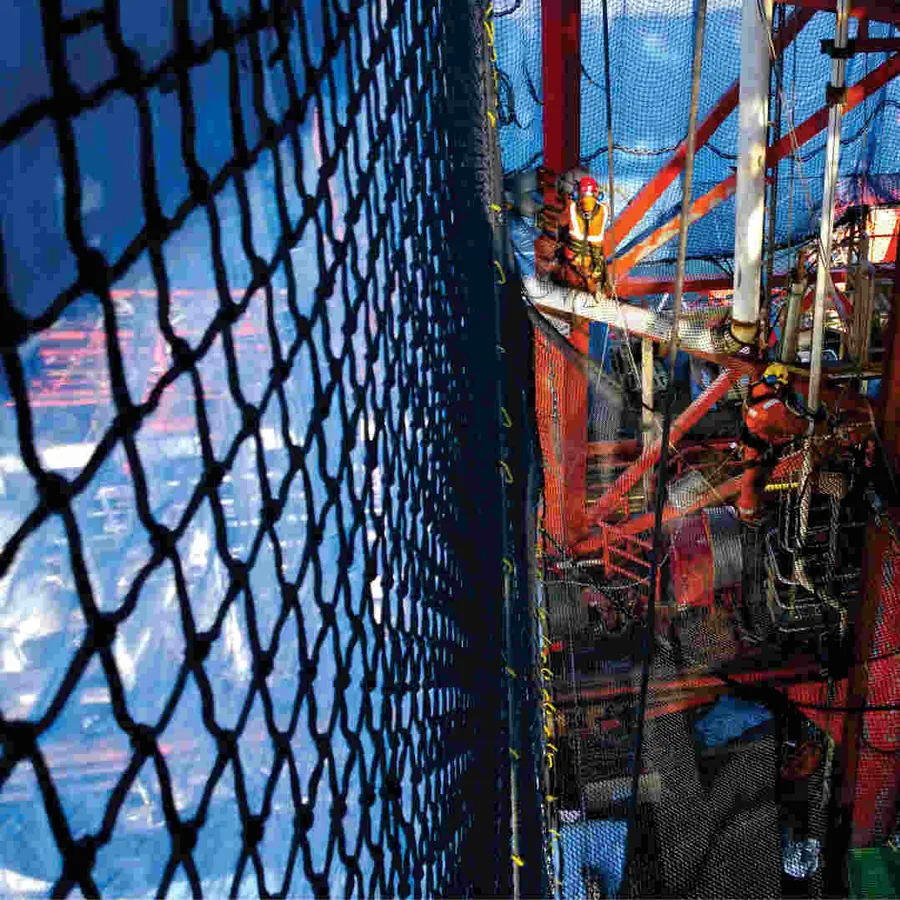
Debris containment that keeps demolition and repair work off the road, rail or water below.
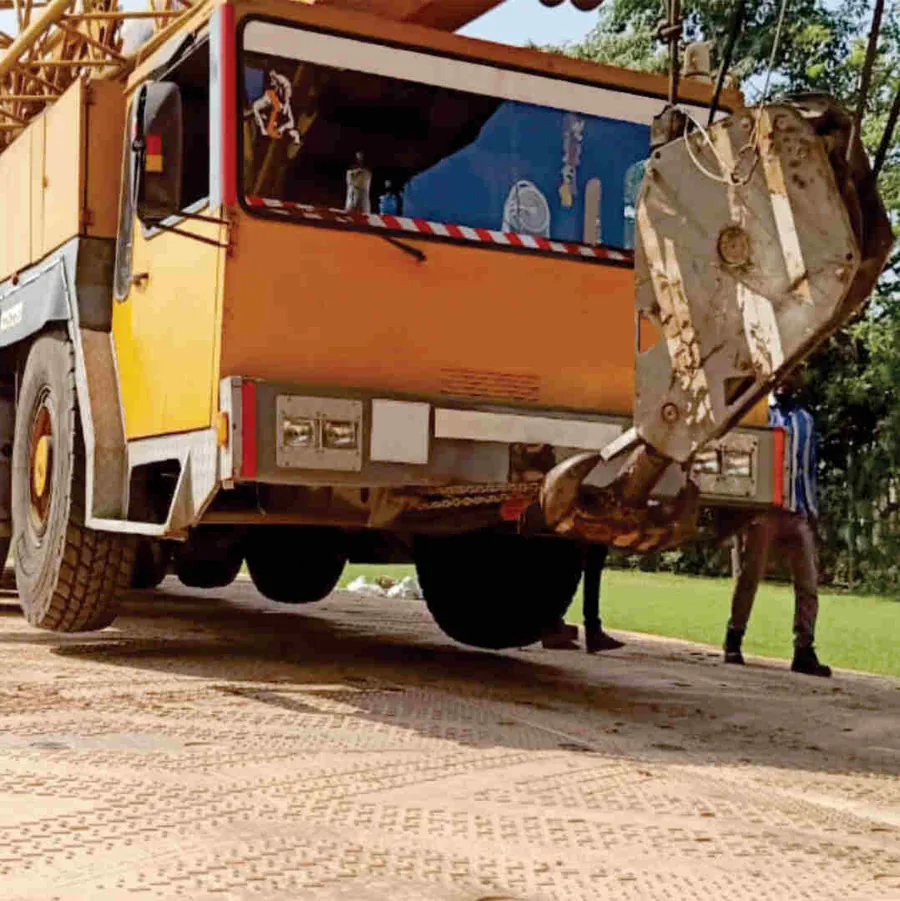
Heavy-duty interlocking mats creating instant haul roads and crane hardstanding over soft ground.
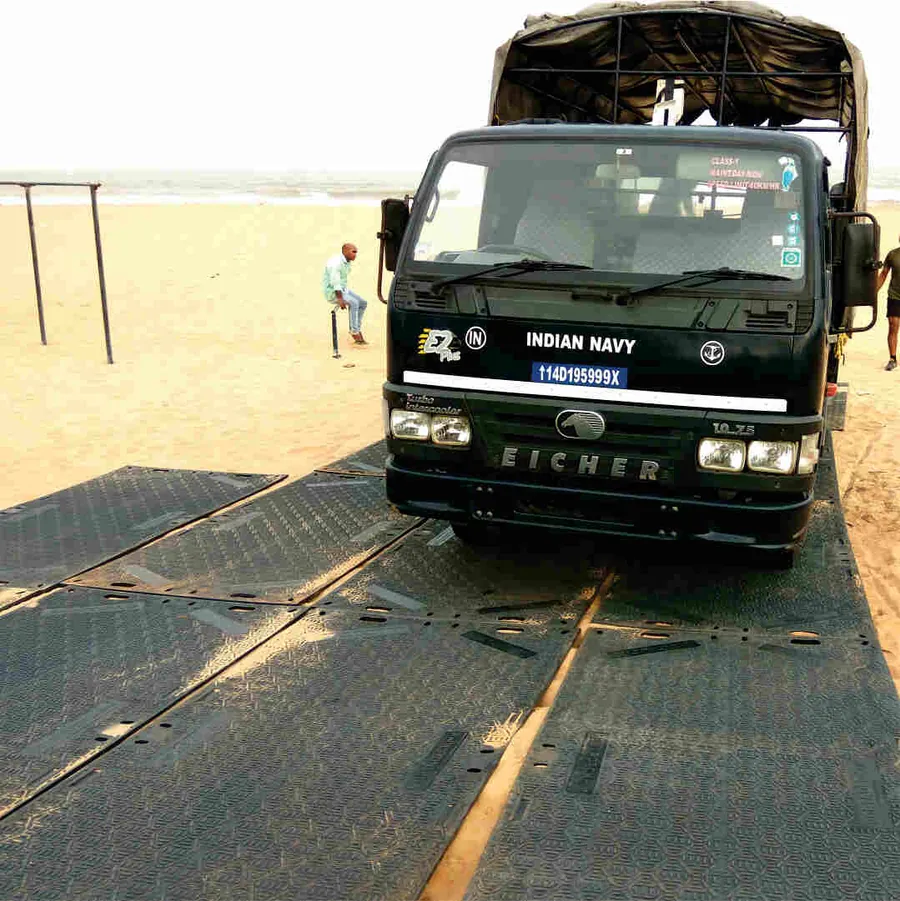
Lighter access matting for pedestrian routes, event ground protection and light vehicle traffic.
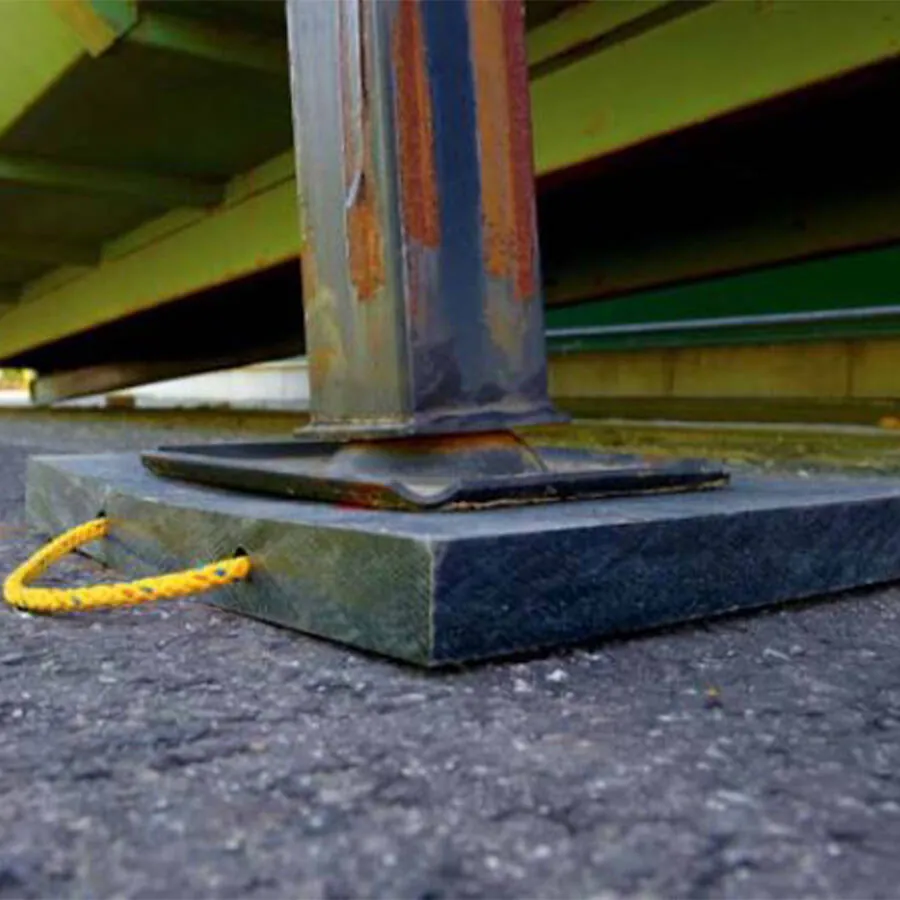
Engineered outrigger pads that spread crane and MEWP point loads to a safe bearing pressure.
Towable LED masts that light a full work face for night shifts, shutdowns and emergency response.
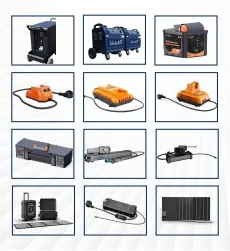
Silent, emission-free mobile power for tools, welfare units and lighting where a generator is not welcome.
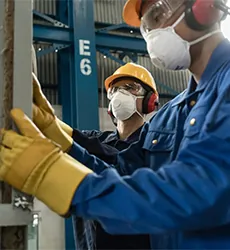
Full-body harnesses, lanyards, helmets, eye and hand protection — specified to match the system, not just the budget.
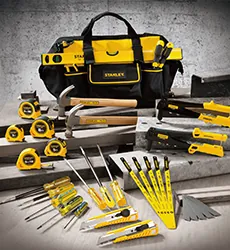
Slings, shackles, chain blocks, hand and power tools, and the consumables that keep a site moving.
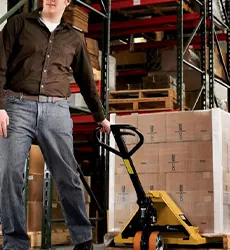
Trolleys, stackers, drum handlers and lifting tackle for the metre between the truck and the workface.
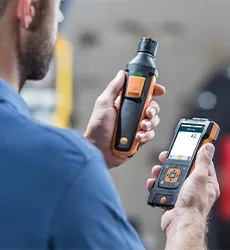
Distance, gas, thermal, electrical and environmental instruments for inspection and commissioning teams.

Rescue kits, descenders, stretchers and evacuation equipment — because a fall arrest is only half the plan.
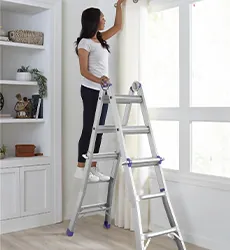
Industrial-grade aluminium and fibreglass ladders, platforms and steps built for daily commercial duty.
The same asset can be a capital purchase, a monthly hire line or a fully managed service. The right answer depends on utilisation, not on what we would prefer to sell.
Platform height is how high the floor of the basket goes. Working height is that figure plus roughly two metres, representing the reach of a person standing on it. Manufacturers quote both, and specifications get mixed up constantly. Tell us the height of the actual work and we will convert it correctly — it is the single most common cause of a machine arriving too short.
Every machine has a gross weight and a point-load figure at each wheel or outrigger. Compare that to the slab's permitted bearing capacity, which your structural consultant or facility drawings will state. Where the numbers are tight we either drop to a lighter tracked machine or spread the load with PortaPad outrigger pads and PortaDeck matting. We do this calculation as part of the quote, not after delivery.
Indoors, in occupied buildings, or anywhere with ventilation and noise limits, electric is the only sensible option. On open ground with slopes, mud or long distances between work positions, diesel 4×4 is far more productive. If you genuinely need both on one project, a hybrid machine avoids paying twice — it runs silent on battery inside and switches to the engine outside.
Yes. Every asset leaves our yard with a current third-party test certificate, an inspection record and the operator manual. Copies go into your site file at handover so the documentation is present before the first audit, rather than being requested afterwards.
We do, regularly. Offshore and remote deployments involve additional certification, packaging and mobilisation planning, and are often better served by our rope access division where a platform cannot be landed at all. Send us the location and the scope and we will tell you honestly which approach is cheaper and safer.
Send us the working height, the ground condition and how long you need it. We will shortlist two or three options with prices and availability.